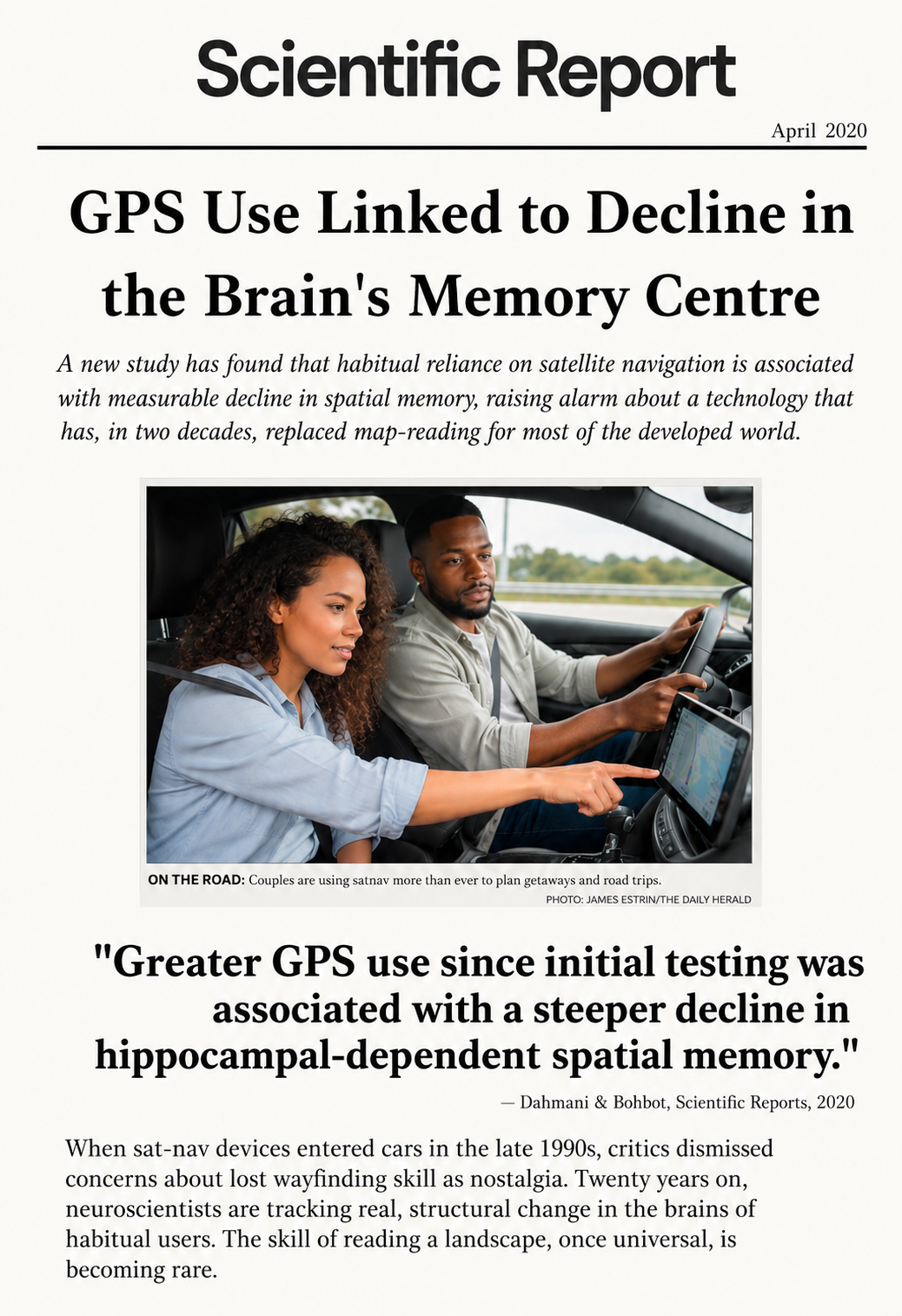
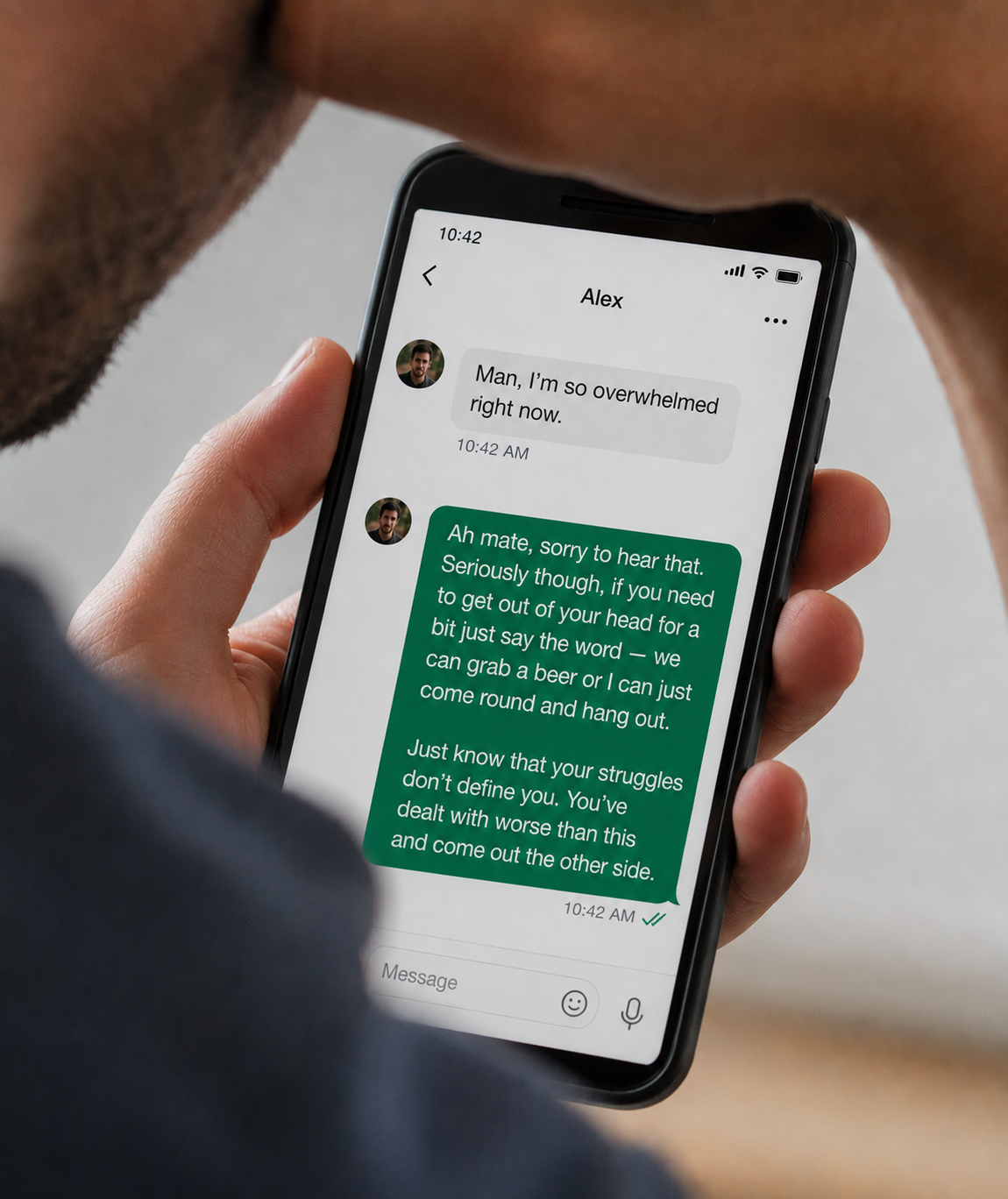
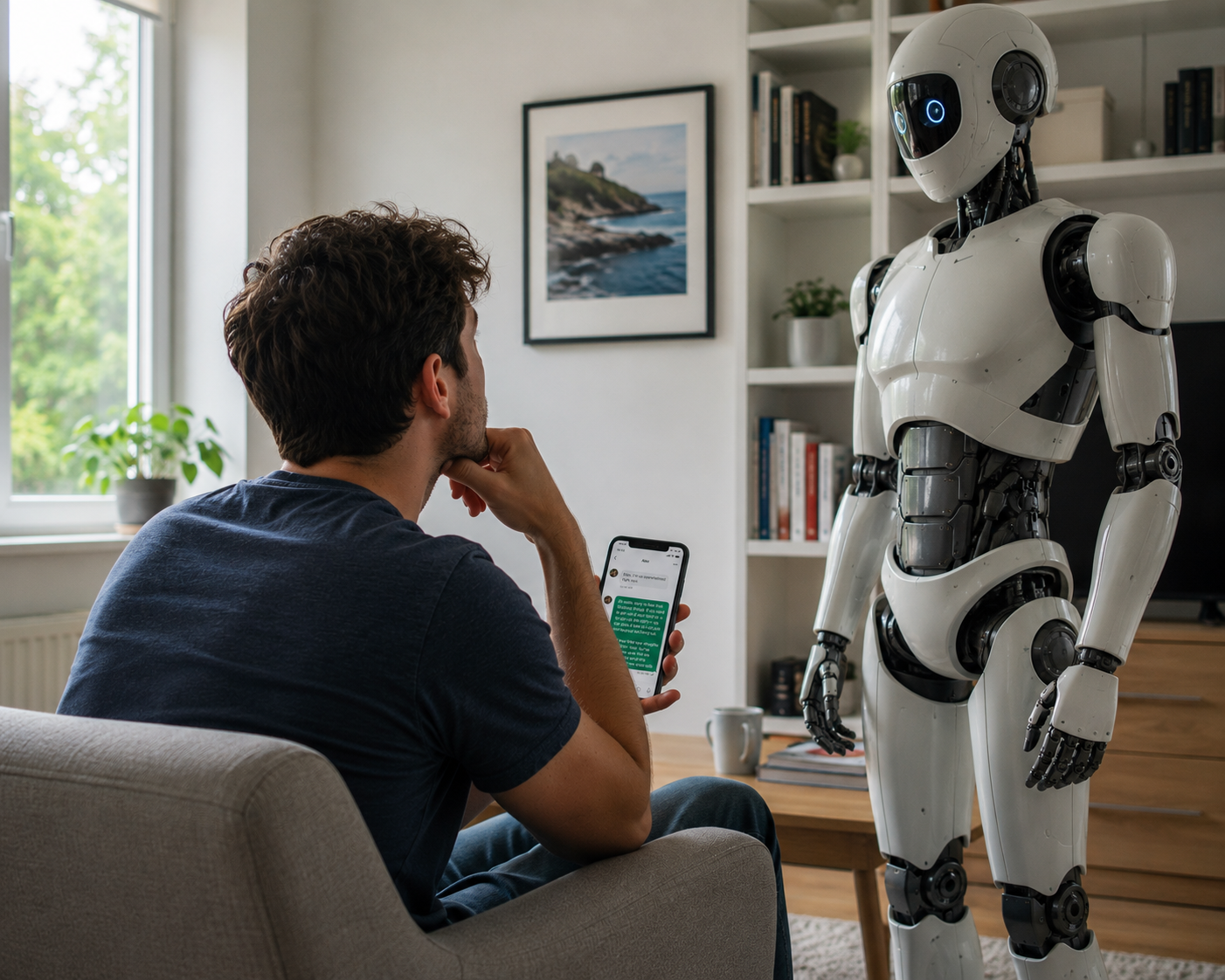
 Twenty years ago you’d have asked the person you went with — your sister, say. She’s the foodie, she made the booking. You didn’t bother to remember because you knew she’d have it in hand. That’s called transactive memory, and we use it all the time. You know the best place to park, your sister has the booking details, and it was Dad who reminded you both it was Mum’s birthday in the first place. Each of you takes responsibility for remembering certain things and trusts the rest to others. The remembering still happens; it just doesn’t all happen inside your head.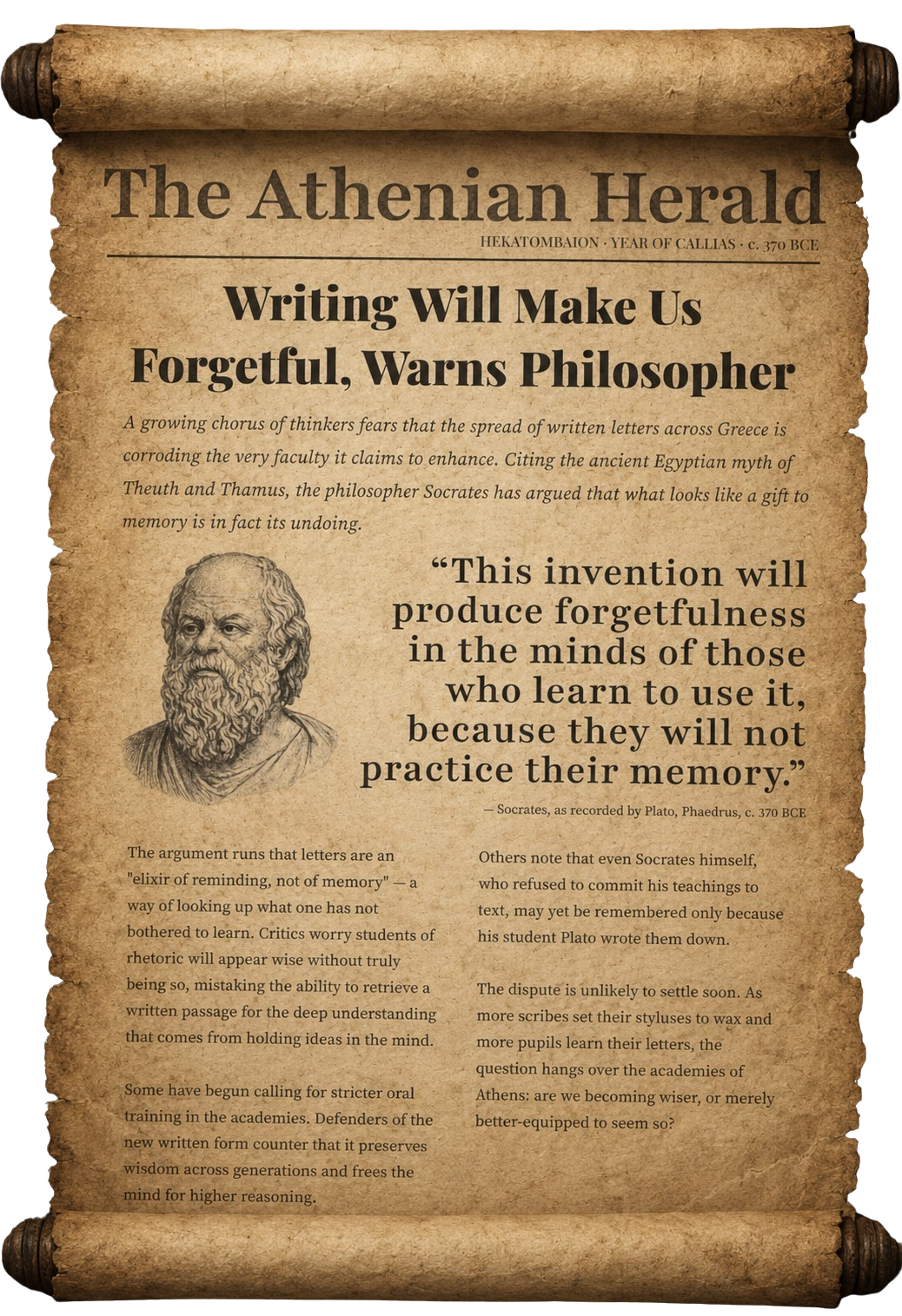
The Athenian Herald
Hekatombaion · Year of Callias · c. 370 BCE
Writing Will Make Us Forgetful, Warns Philosopher
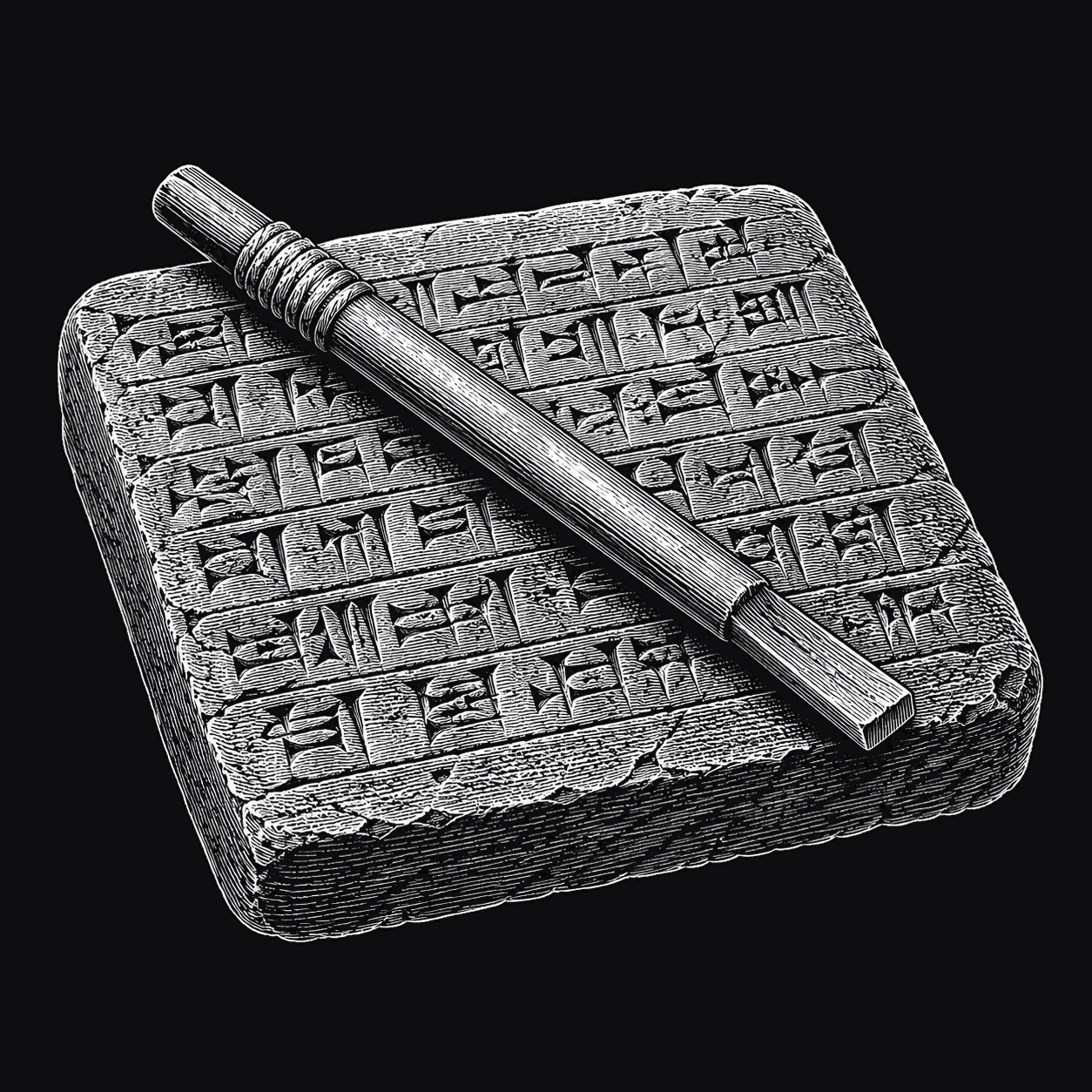
A growing chorus of thinkers fears that the spread of written letters across Greece is corroding the very faculty it claims to enhance. Citing the ancient Egyptian myth of Theuth and Thamus, the philosopher Socrates has argued that what looks like a gift to memory is in fact its undoing.
“This invention will produce forgetfulness in the minds of those who learn to use it, because they will not practice their memory.”
— Socrates, as recorded by Plato, Phaedrus, c. 370 BCE
The argument runs that letters are an “elixir of reminding, not of memory” — a way of looking up what one has not bothered to learn. Critics worry students of rhetoric will appear wise without truly being so, mistaking the ability to retrieve a written passage for the deep understanding that comes from holding ideas in the mind.
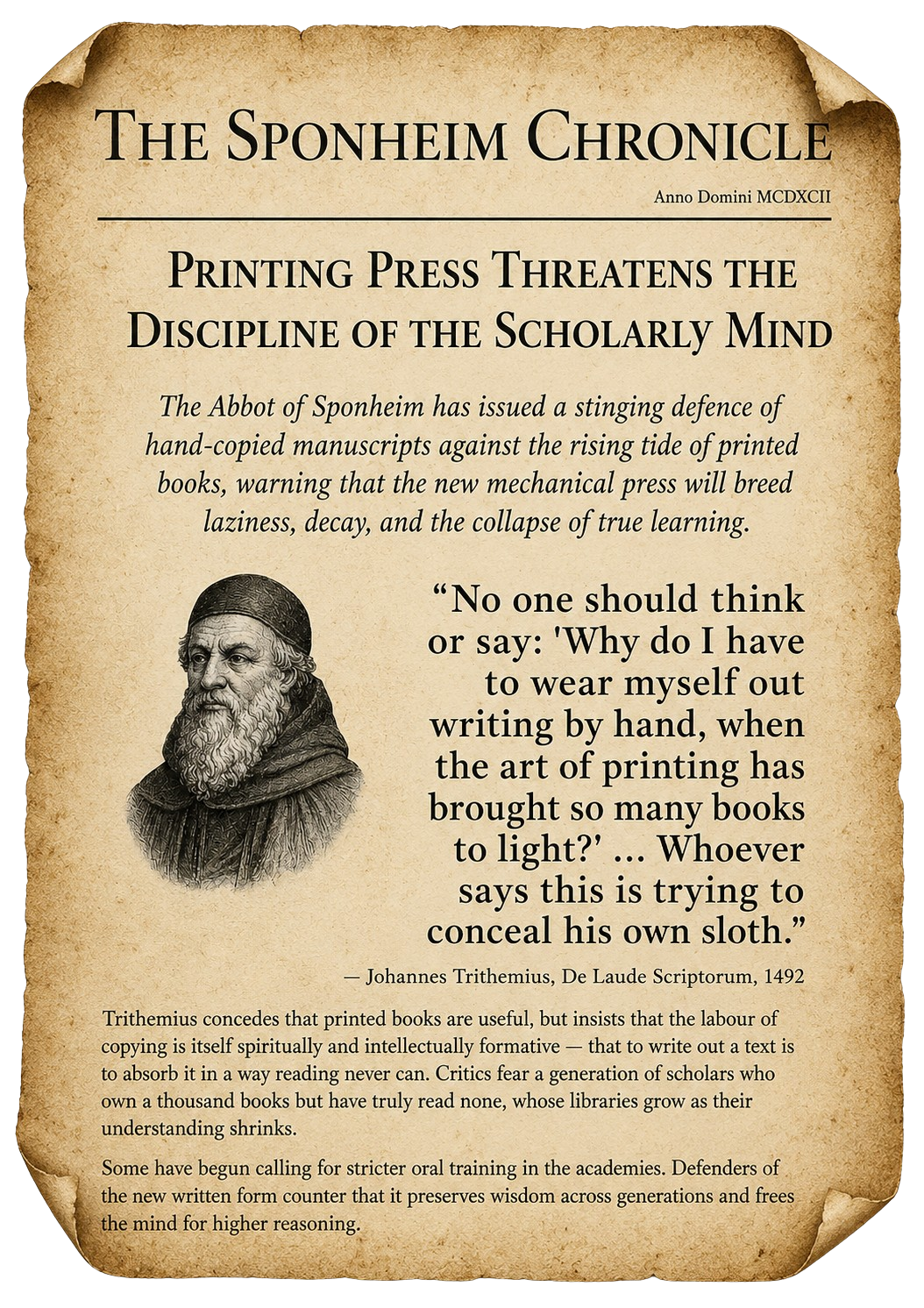
Some have begun calling for stricter oral training in the academies. Defenders of the new written form counter that it preserves wisdom across generations and frees the mind for higher reasoning. Others note that even Socrates himself, who refused to commit his teachings to text, may yet be remembered only because his student Plato wrote them down.
The dispute is unlikely to settle soon. As more scribes set their styluses to wax and more pupils learn their letters, the question hangs over the academies of Athens: are we becoming wiser, or merely better-equipped to seem so?